
How to spot a burglary attempt on your locks
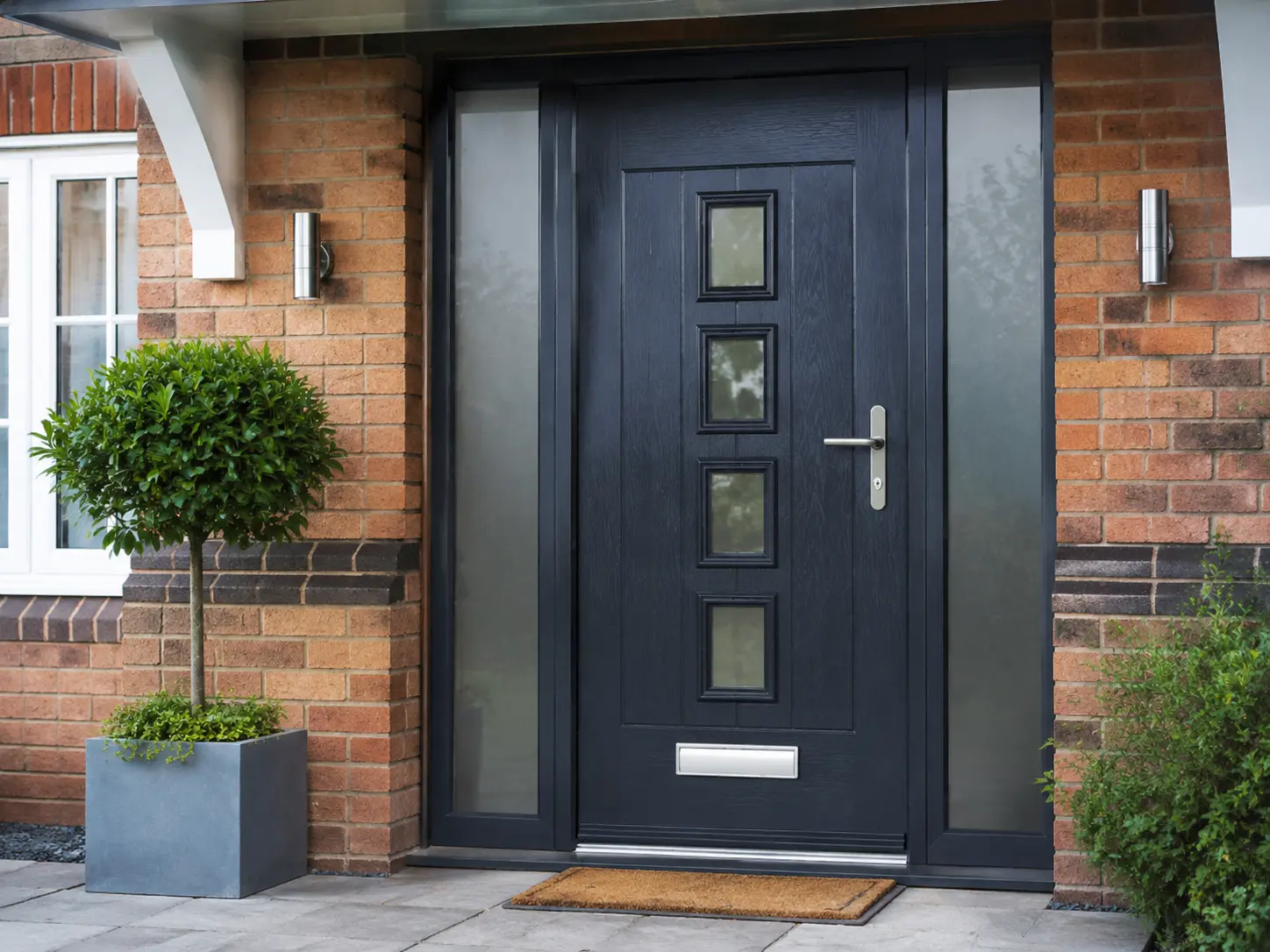
Not every burglary attempt succeeds, but a failed one is still worth taking seriously — it often means your property has been targeted once and could be again.
Scratches and marks around the keyhole
Fresh scratch marks around a euro cylinder can indicate an attempted lock-picking or snapping attempt. A small amount of wear from years of normal key use looks different from concentrated damage in one spot.
A door that suddenly feels different to lock
If a door that used to lock smoothly now feels stiff, loose, or slightly misaligned, it's worth checking whether the mechanism has been forced or weakened, rather than assuming it's just general wear.
Snapped or bent cylinder protruding slightly
A cylinder sitting slightly proud of the door handle plate, or visibly bent, can be a sign of an attempted or partially successful snap attack.
Debris near the lock
Small metal shavings or plastic fragments near the threshold can be left behind by lock-picking tools or a failed snapping attempt.
What to do if you spot any of this
Report it to the police using the 101 non-emergency number if there's no immediate danger, and get the lock assessed and upgraded to an anti-snap cylinder as soon as possible — a failed attempt is often a trial run.