
Smart locks vs traditional locks: pros and cons
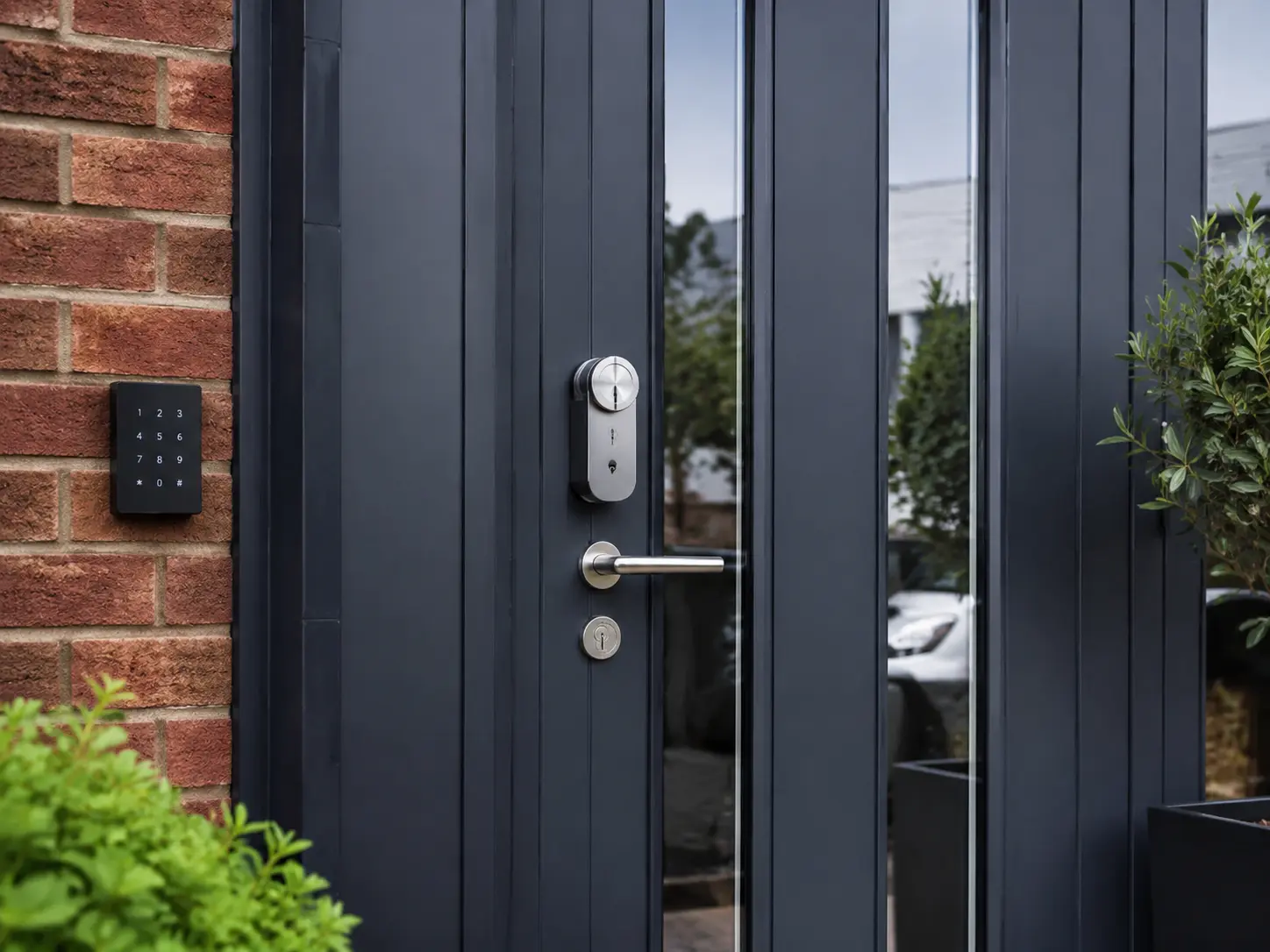
Smart locks have become a lot more common in UK homes, especially rentals and Airbnbs, but they're not automatically the right choice for everyone.
What smart locks do well
Keyless entry via a code, app or fob is genuinely convenient if you have guests, cleaners, tradespeople or family members who need occasional access without a physical key. Many log entry and exit times, which some landlords find useful.
Where they fall short
Battery life is the most common real-world complaint — a dead battery means you're locked out unless there's a mechanical backup. Wi-Fi and Bluetooth-based locks also depend on your home network being reliable, and cheaper models have had well-documented security flaws.
Traditional locks, honestly assessed
A quality mechanical lock — an anti-snap euro cylinder or a BS3621 mortice deadlock — has no batteries to fail, no app to update, and a well-understood level of physical security. The trade-off is less convenience for multiple users.
Our honest take
If you want a smart lock, get one that has a genuine mechanical key override and physical anti-snap protection built in, not just a keypad bolted onto a cheap cylinder. For most single-household homes, a good traditional lock is still the simpler, more reliable choice.