
Lock policies for landlords and letting agents
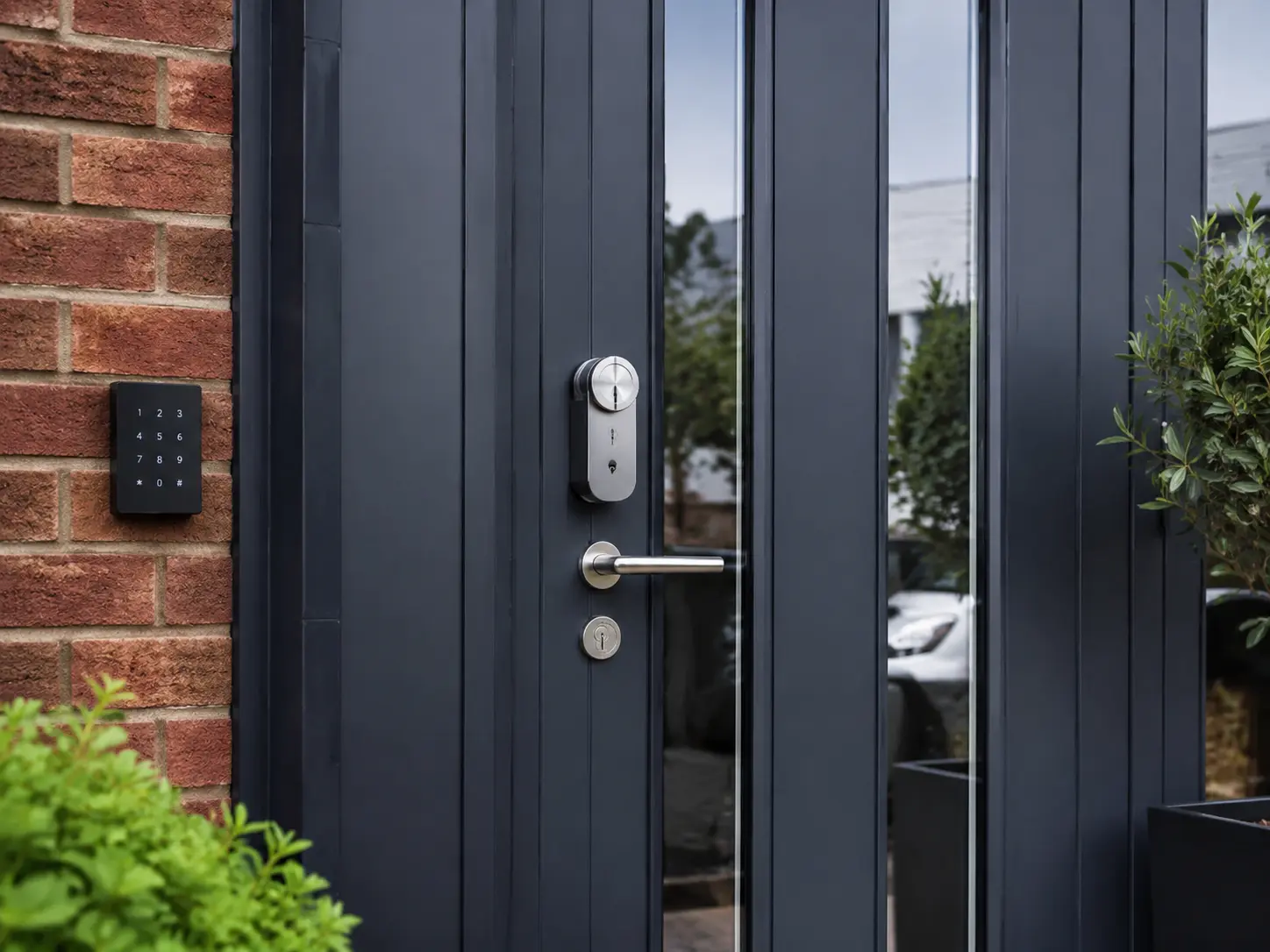
Locks are one of those details that landlords and letting agents often only think about after something's gone wrong. A clear policy from the start saves a lot of hassle.
Change the locks between every tenancy
It's tempting to reuse existing keys between tenants, but you genuinely don't know how many copies a previous tenant made. Changing the euro cylinder between tenancies is a low-cost way to close that gap completely.
Keep a clear key log
A simple record of who holds a key to which property — tenant, cleaner, contractor, previous tenant awaiting return — makes it much easier to work out where a security gap might be if one appears.
Restricted key systems for multi-unit buildings
For HMOs or blocks with shared entrances, a restricted key system prevents keys being copied at a standard cutting shop without your authorisation, giving you far more control over who has access.
Lockouts: have a plan before they happen
Tenant lockouts happen fairly often, especially with larger portfolios. Having an agreed locksmith you trust to respond quickly, verify the tenant, and bill correctly saves a lot of back-and-forth compared to sourcing one on the spot each time.
If you manage several properties, it's worth setting up a standing arrangement so lock changes and lockouts don't need to be negotiated fresh every time.