
Anti-snap locks explained: are you at risk?
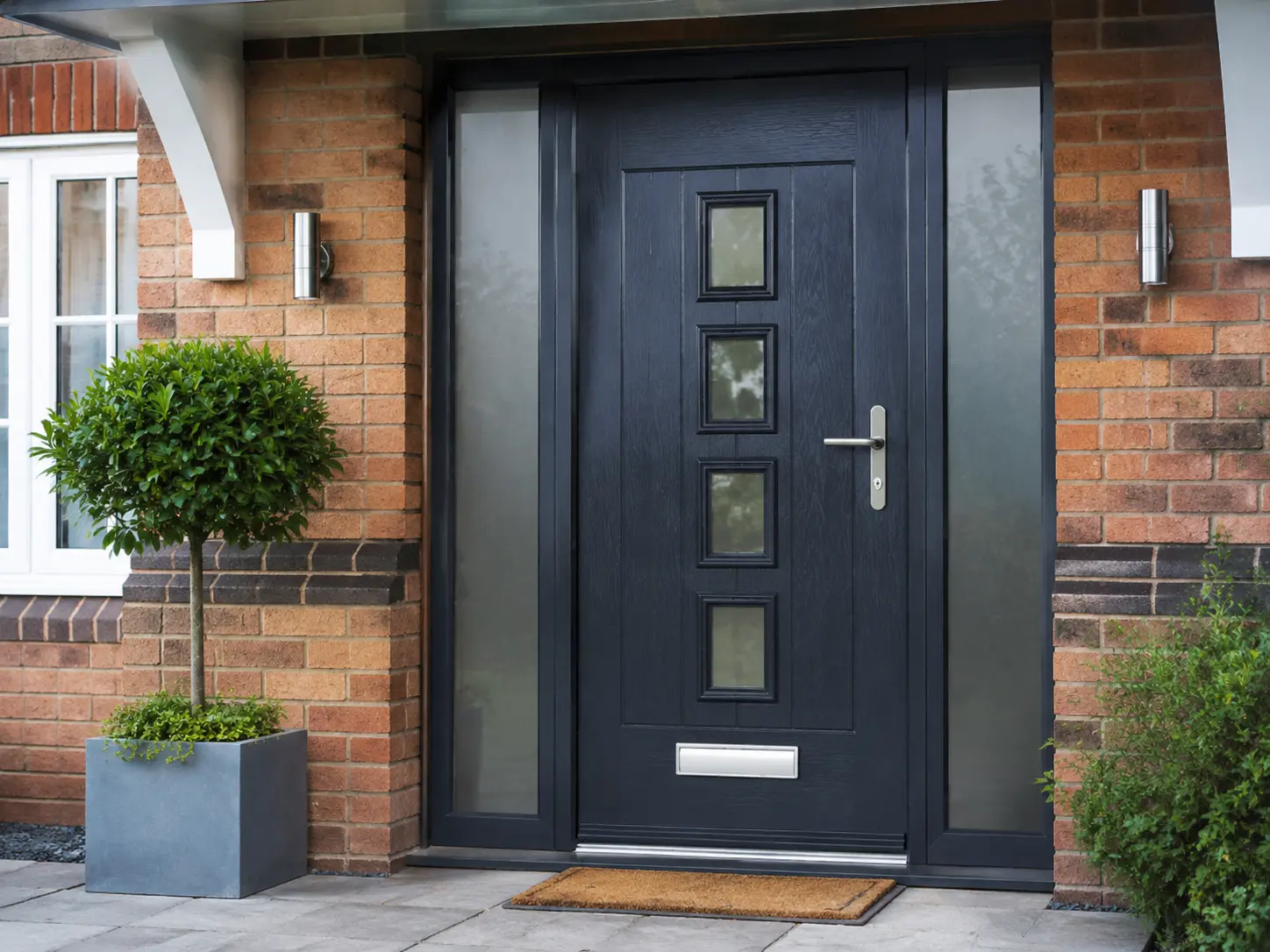
Lock snapping has been one of the most common methods of forced entry into UK homes for over a decade, and most people have no idea their front door is vulnerable to it.
How lock snapping works
Standard euro cylinders have a weak point roughly in the middle, close to the screw that holds them in place. With basic leverage, that weak point can be snapped clean through in under a minute, giving direct access to the mechanism that pulls the bolts back.
How to tell if your cylinder is at risk
If your euro cylinder was fitted before around 2013 and doesn't say TS007 3-star or Sold Secure Diamond on it, it's very likely a standard cylinder with no snap protection at all.
What an anti-snap cylinder actually does
Anti-snap cylinders are designed with a sacrificial section that snaps off cleanly, while a secondary internal mechanism keeps the lock secured. The weak point disappears without the door itself unlocking.
The 3-star vs 1-star system
You'll often see cylinders rated as 1-star or 3-star. A 3-star cylinder on its own meets the current standard. A 1-star cylinder needs to be paired with 2-star door furniture (handles and escutcheons) to reach the same overall protection.
Upgrading a cylinder is usually a 15–20 minute job and one of the cheapest, most effective security improvements you can make to a UPVC or composite door.